Exporting lighting products to Saudi Arabia requires mandatory SABER certification, an online clearance system introduced by the Saudi Standards, Metrology and Quality Organization (SASO). Think of it as an electronic permit – all regulated products (including lighting) must register on this platform and obtain certificates before shipment, otherwise they will be blocked at Saudi customs.
Importantly, SABER certification is not a single document but a combination of requirements, typically including SABER + core pre‑certifications (Energy Efficiency / IECEE) + additional tests.
Major 2026 Updates: Three Key Changes
Before starting, note these important updates effective in 2026:
- HS Code Mandatory Update
The SABER platform has fully adopted the new 12‑digit HS code synchronised with Saudi Customs (ZATCA). Always use the latest 12‑digit code when searching on SABER; old codes will cause certificate rejection. - PC Certificate Validity Adjustments
Lighting products usually fall under “general categories”, but confirm with your certification body. Different product types have different validity periods – monitor your certificate expiry dates. - Product Standards Upgraded
Energy efficiency standards for lighting (e.g., SASO 2902) have undergone important updates. Ensure your products comply with the latest versions.
Which Lighting Products Need Certification?
All lighting products under SASO’s regulated scope require certification. Common categories include:
- Light sources: LED bulbs, incandescent, halogen, fluorescent lamps, etc.
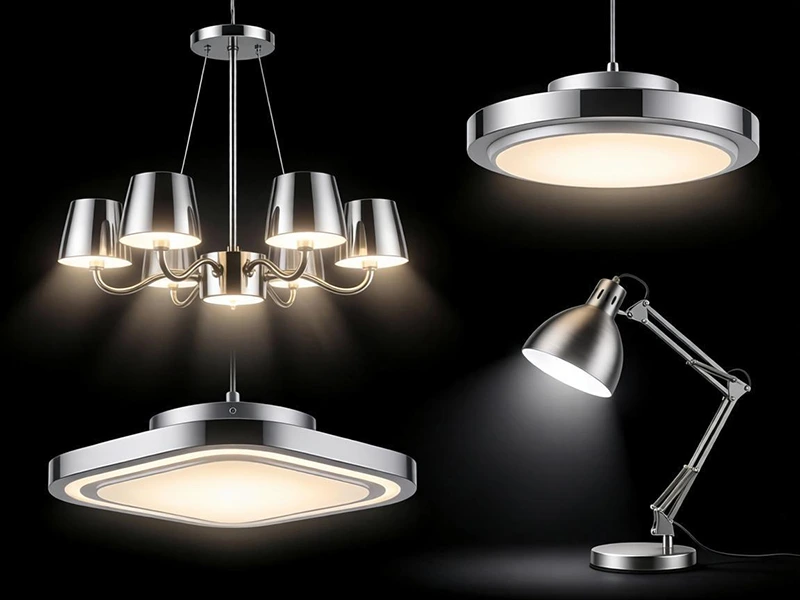
- Luminaires: Downlights, spotlights, panel lights, high bay lights, floodlights, street lights, LED strips, table lamps, floor lamps, wall lights, etc.
- Control gear & accessories: LED drivers, transformers, controllers, etc.
Special note: Not all lighting products follow the same rules. For example, emergency lighting typically does not require energy efficiency registration (EER), but still needs IECEE safety certification.
Core Certification System
SABER is the online clearance system that relies on technical regulations issued by SASO. Exporting lighting to Saudi Arabia generally requires the following three core certifications:
| Certification | Purpose | Form |
|---|---|---|
| SABER (mandatory) | Online clearance platform – issues final shipment certificate | PCoC + SCoC |
| Energy Efficiency – EER (usually mandatory) | Rating based on SASO 2870 / 2902 / 2927 | Register on Saudi EER system, obtain energy label (A–G) |
| IECEE – SIRC (usually mandatory) | Electrical safety based on IEC standards | Saudi IECEE Recognition Certificate (SIRC) |
| GCC / QM (for some products) | Gulf region standards for e.g., toys, appliances | GCC/G‑Mark |
For lighting, the exact path depends on the product’s HS code. Search on the SABER website (https://saber.sa/) using your HS code to see which technical regulations and certificate requirements apply.
Certification Process Flow
Here are the core steps for SABER certification:
- Confirm HS code & regulatory status
Obtain the 12‑digit Saudi HS code and check on SABER. Different HS codes may require different pre‑certifications. For example, LED luminaires >60W have changed from 854370900010 to 853952000002. - Complete pre‑certifications
Based on the search result, finish energy efficiency, IECEE, or other pre‑certifications first. These are prerequisites for applying for SABER – missing any will block subsequent steps. - Apply for PCoC (Product Conformity Certificate)
The Saudi importer submits the application on the SABER system. Normal processing time: 3‑5 working days. The PCoC is valid for one year and can generate unlimited SCoCs within that period. - Apply for SCoC (Shipment Conformity Certificate)
For each shipment, the Saudi importer applies for an SCoC on SABER using the valid PCoC. This certificate is single‑use and must be completed at least 72 hours before the vessel arrives at port.
Required Documents
Preparing a complete file is key to a smooth certification:
- Product technical documents: specification sheet, circuit/PCB layout, product photos (including product, packaging, and labels), instruction manual in Arabic & English.
- Test reports & certificates: valid CB certificate and report, energy efficiency test report (if applicable), ISO 9001 certificate, manufacturer declaration, etc.
- Company qualification documents: exporter information, Saudi importer’s Commercial Registration (CR), trademark certificate (if applicable), importer’s SABER account details.
- Invoice & packing list: proforma invoice, commercial invoice, packing list, etc.
Cost Reference
Certification costs are a combination of several elements:
- SABER platform official fees: fixed government fees for PCoC and SCoC (approx. 2,500 – 3,000 RMB/year for regulated products).
- Pre‑certification costs:
- Energy efficiency (approx. 20,000 RMB)
- IECEE (including CB testing approx. 20,000 RMB)
- SABER PC service fee (approx. 10,000 RMB)
- If a product family is large, total costs may exceed 50,000 RMB – this is the major expense.
Cost‑saving tip: share CB report
IECEE and SABER can share the same CB test report (as long as the standards are applicable and the report is valid). One test can satisfy both requirements, saving significant testing costs.
Choosing a Certification Body
International well‑known bodies:
- SGS – globally recognised testing, inspection, and certification body, officially authorised in Saudi Arabia.
- TÜV Rheinland – offers comprehensive SABER certification services.
- Bureau Veritas (BV) – also an SASO‑approved body.
- HQTS – global supply chain service provider offering SABER certification.
How to choose a professional body?
- Qualification & authorisation – confirm the body is officially authorised by SASO or that its partner lab is on the SASO‑accepted list.
- Industry experience – prioritise bodies with proven successful cases in lighting product certification.
- Service scope – can they provide one‑stop service from testing and document review to platform registration?
- Customer feedback – check references and reviews from other exporters.
Compliance Essentials
Key points to ensure smooth customs clearance:
- Voltage & frequency: Saudi standard is 220V / 60Hz – different from many countries; design power supplies accordingly.
- Label requirements (critical!): All luminaires and packaging must bear clear, permanent information in Arabic and English, including the energy label (with QR code) and the country of origin “MADE IN CHINA”.
- Plug standard: Must comply with Saudi standard BS 1363 (3‑rectangular‑pin British type).
- Technical parameter compliance: Luminous efficacy, power factor (PF), colour rendering index (CRI), etc., must meet the minimum values required by the latest standards.
Common Pitfalls & Avoidance Tips
Common mistakes when exporting to Saudi Arabia:
- Insufficient certificates – CB, CE, or other international certificates alone are not enough; SABER PCoC + SCoC are mandatory.
- Non‑compliant labels – missing information (especially energy label or country of origin) is the most common cause of customs rejection.
- Wrong voltage/frequency – products with 110V etc. that do not meet Saudi 220V/60Hz will be refused.
- Report from non‑accredited lab – test reports must be issued by an SASO‑accredited laboratory.
- Mis‑classification – e.g., classifying a camera‑equipped luminaire as surveillance equipment will lead to detention.
- Expired certificates – an expired PCoC will block SCoC applications. Start renewal at least 45 days in advance.
- Relying on “post‑clearance” – Saudi has completely abolished the “Undertaking Letter” clearance. All certifications must be completed before the goods arrive at port.
Compliance checklist
To ensure smooth exports, prepare in advance:
- Start early – begin planning at least 3 months ahead.
- Check HS code – verify regulatory status using the latest 12‑digit code.
- Choose the right body – select a qualified, experienced, reputable certification provider.
- Complete all tests – ensure all necessary tests are done at an accredited lab.
- Label correctly – ensure bilingual labels are complete and standardised.
- Monitor updates – stay informed of SASO regulations and SABER platform notices.
Summary
The blueprint for Saudi SABER certification for lighting products can be summed up as:
“One look, one chain”
- One look – Log in to the Saber website and check the latest requirements using your 12‑digit HS code.
- One chain – Follow the chain: pre‑certification → SABER PCoC → SABER SCoC, ensuring all tests are done at an accredited laboratory and your products are fully compliant.